McDonald's: Upgrades Green Packaging. Restaurants will gradually use bio based new packaging, mainly made of PLA and paper materials!
12 On the 19th of the month, McDonald's announced a green upgrade to its meal packaging - over 7500 restaurants will gradually adopt bio based new packaging. After the upgrade, McDonald's main packaging materials are Polylactic acid (PLA) and paper materials, Expected to reduce the use of petroleum based plastics by over 5800 tons annually[1]。 McDonald's adheres to green innovation and responsibly selects and uses packaging materials while ensuring the dining experience for customers.
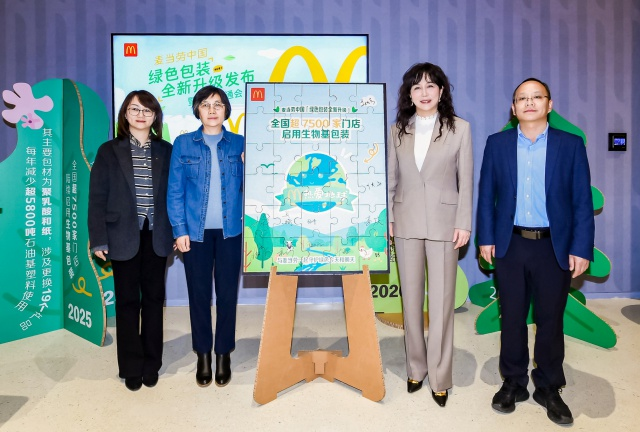
From now on, McDonald's restaurants have started to use new bio based packaging - PLA materials will be used for the packaging of wheat coffee and the cup lids of beverages, Xindi, corn, Congee, etc. At the same time, some packaging (cup bodies for beverages, New World, corn, etc.) will also switch from petroleum based plastics to paper packaging materials. The newly upgraded packaging presents four major characteristics of "innovation, environmental protection, experience, and safety":
- Innovation: During the research and development process, about 100 packaging solutions were selected for the new upgraded packaging. After more than 2 million practical verifications, the large-scale application innovation of bio based packaging was achieved. This stems from the joint efforts of McDonald's and its supply chain partners, as well as local independent research and development;
- Environmental Protection: Upgraded packaging, with innovative biobased materials such as polylactic acid (PLA) and paper as core materials, is expected to reduce the use of petroleum based plastics by over 5800 tons annually, promoting the transformation of packaging materials towards renewable resources;
- Experience: McDonald's insists on using greener packaging while ensuring the dining experience for customers. The new cold drink cup lid creatively uses a "double arch anti overflow" structure and has obtained a design patent authorization (CN309649874S). The leak proof performance of the new cold drink cup lid is effectively improved by raising the vent hole and retaining the straight drinking mouth. The new hot drink cup lid has improved the toughness and heat resistance of PLA material through self-developed formula, further optimizing the consumer experience;
- Safety: Hygiene, safety, and reliability are McDonald's consistent requirements for customer packaging. McDonald's has established a strict quality inspection system in the supply chain access process. The upgraded packaging materials of all categories have passed third-party authoritative testing, and all indicators meet food safety standards, building a solid food safety defense line from the source.
“ McDonald's has achieved large-scale application of bio based packaging, further promoting the transformation of customer packaging materials towards renewable resources. This innovation fills the gap in McDonald's global related fields. We hope to make progress together with industry partners through our own practice, so that every delicious food carries beauty. ”McDonald's Chief Impact Officer Gu Lei said.
Weng Yunxuan, Executive Dean of the School of Light Industry Science and Engineering at Beijing Technology and Business University and Secretary General of the Plastic Association Degradable Plastics Special Committee, said: "Biobased packaging materials, made from biomass as raw materials and manufactured through biotechnology, have good biocompatibility and biodegradability. PLA biobased materials have attracted global attention and are strategic new materials that meet the goals of the" dual carbon "strategy and construction. The large-scale application of PLA bio based materials by McDonald's is a forward-looking exploration of green packaging, which is of great significance for the development of the bio based materials industry and the sustainable development of the catering industry. ”
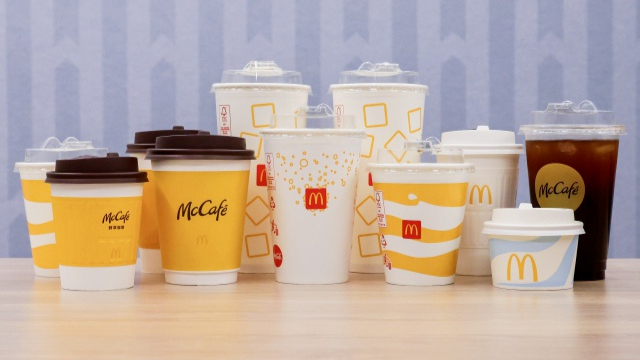
McDonald's continues to promote the "Green Packaging" initiative, optimizing packaging materials, reducing plastic usage, and collaborating with local supply chains to innovate and gradually expand the categories and application scenarios of green packaging, creating a rich green packaging experience for consumers.
- Leading action in reducing plastic waste: In 2007, McDonald's was the first to use paper bags as takeaway packaging, pioneering the catering industry; In 2010, McWhirlwind changed to paper cup packaging; In 2020, straw free cup lids will cover all restaurants, reducing plastic usage by approximately 400 tons annually.
- Continuous material upgrades: In 2020, McDonald's became the first brand in the industry to achieve 100% use of Forest Stewardship Council (FSC) certified raw paper for paper food packaging, supporting sustainable forest development; This time, McDonald's and industry partners are promoting the independent research and development of modified formulas for PLA materials, enhancing the toughness and heat resistance of PLA materials in the application of hot drink cup lids, and further promoting the transformation of packaging materials from petroleum based to renewable resources.
Wang Wenhua, a sustainable development expert of the Chain Store Association, said: "As a pioneer of the chain catering industry in promoting green packaging, it fully demonstrates the responsibility and responsibility of the brand in implementing green sustainable development. This time, McDonald's actively explores the large-scale application of new bio based materials, and while taking into account environmental protection and consumer experience, it works with local enterprises to innovate green packaging solutions, providing valuable practical samples for chain stores."
[1] Calculate the estimated usage of all restaurant related packaging from November 2025 to October 2026 after the completion of the existing packaging switch at McDonald's restaurants.
[2] The appearance design patent (CN309649874S) for the product mentioned in the article has been authorized by the Intellectual Property Office, providing legal protection for key appearance features; Meanwhile, the relevant structural improvements have been submitted for a utility model patent application (application number: 202521361392.4), which is currently in the examination stage. The above information is subject to disclosure by the Intellectual Property Office.