PCW 40% paper: in-depth analysis of core categories and industry applications of environmentally friendly recycled paper
First, the core feature of PCW 40% paper: a balance between environmental protection and practicality
Compared to pure virgin paper, the core advantage of PCW 40% paper lies in the implementation of environmental value.. The paper industry is a key area for resource consumption and carbon emissions. Data shows that producing 1 ton of virgin paper requires 4.25 metric tons of carbon dioxide emissions, while recycled paper only requires 0.25 metric tons. The use of post consumer recycled fibers can directly reduce deforestation of virgin forests and lower water and energy consumption. The 40% PCW ratio not only avoids the problems of insufficient paper strength and poor printing adaptability that may be caused by a high proportion of recycled pulp, but also effectively achieves resource recycling, which is in line with the mainstream trend of global green production. From the perspective of product performance, PCW 40% paper processed by professional technology has good physical properties and printing adaptability. Most products have passed FSC (Forest Stewardship Council) certification Green Seal™ Waiting for international environmental certification, and presenting a natural white and soft color tone with a natural texture, while meeting the environmental standards of no acid, no chlorine, and no heavy metals. After use, it can be recycled again to form a complete recycling chain.
2. Core application scenarios: covering diverse printing and packaging core needs
Relying on the synergistic advantages of environmental attributes and product performance, PCW 40% paper has achieved comprehensive coverage of core areas such as printing, packaging, and commercial office, becoming a key hub category connecting the upstream paper industry and downstream terminal markets.
. Currently, driven by the intensive introduction of global green policies, the upgrading of environmental protection demands in the terminal market, and the continuous improvement of corporate social responsibility awareness, its application penetration rate in segmented scenarios such as education and publishing, fast-moving consumer goods packaging, pharmaceutical packaging, corporate green office, and cultural and creative products is rapidly increasing, with an annual growth rate maintained in the range of 8% -10%. It has become an important carrier for promoting green transformation in related industries. By using PCW 40% paper, enterprises in different fields not only meet policy compliance requirements, but also enhance their brand's environmental image and gain market competitive advantages. The specific application scenarios and details are as follows:- Printing field: core adaptation for K12 education textbooks, children's picture books, science popularization books, popular journal and magazine pages, as well as the production of high-end business letterhead, customized envelopes, cultural and creative notebooks, corporate brand brochures, product manuals and other products. Its natural white tone and delicate surface texture can significantly improve reading comfort, especially suitable for educational publications that require long-term reading, and can effectively protect the eyesight of young people; At the same time, its excellent ink absorption, dryness, and surface smoothness can perfectly adapt to various printing processes such as conventional offset printing, UV curing printing, laser printing, digital inkjet, etc. It can achieve clear graphic and text reproduction effects, natural and full color presentation, and meet the quality requirements of different printed products. At present, several educationally developed provinces and cities in China, such as Beijing, Shanghai, Guangdong, Zhejiang, and Jiangsu, have explicitly included PCW 40% paper in the designated printing paper range for primary and secondary school textbooks and teaching aids. It is required that the proportion of recycled paper used in new textbooks should not be less than 30%, with PCW 40% paper being the preferred choice due to its stable performance. Several leading publishing institutions such as People's Education Press, Yilin Press, CITIC Publishing Group, etc. have adopted this type of paper on a large scale. In 2024 alone, People's Education Press will use over 50000 tons of PCW 40% paper and print over 200 million textbooks. This not only practices the concept of green education, but also further strengthens the social responsibility image of publishing institutions through the environmental attributes of their products, and has gained widespread recognition from education departments and the market.
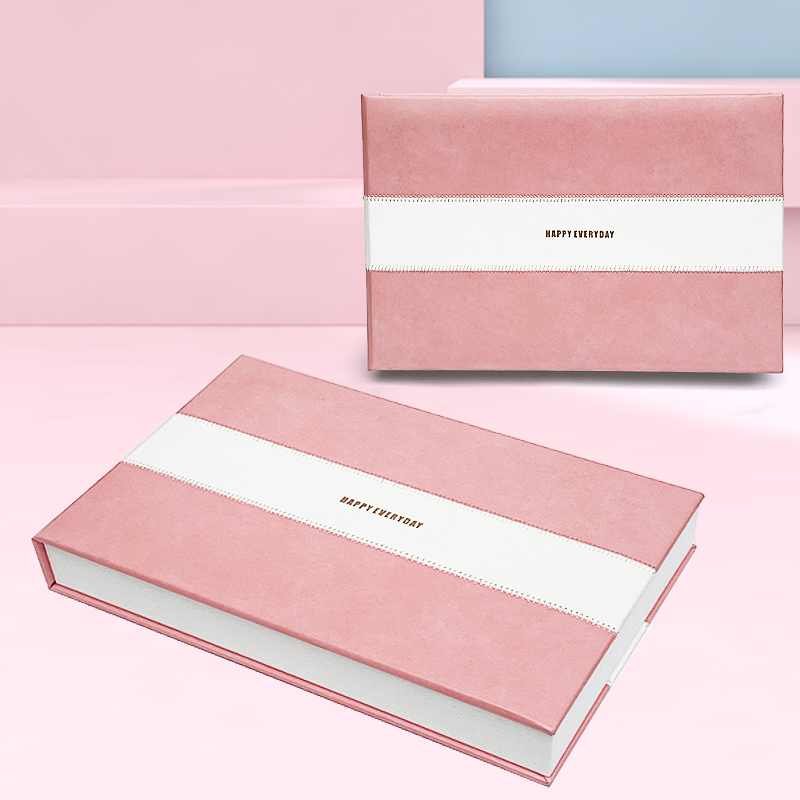
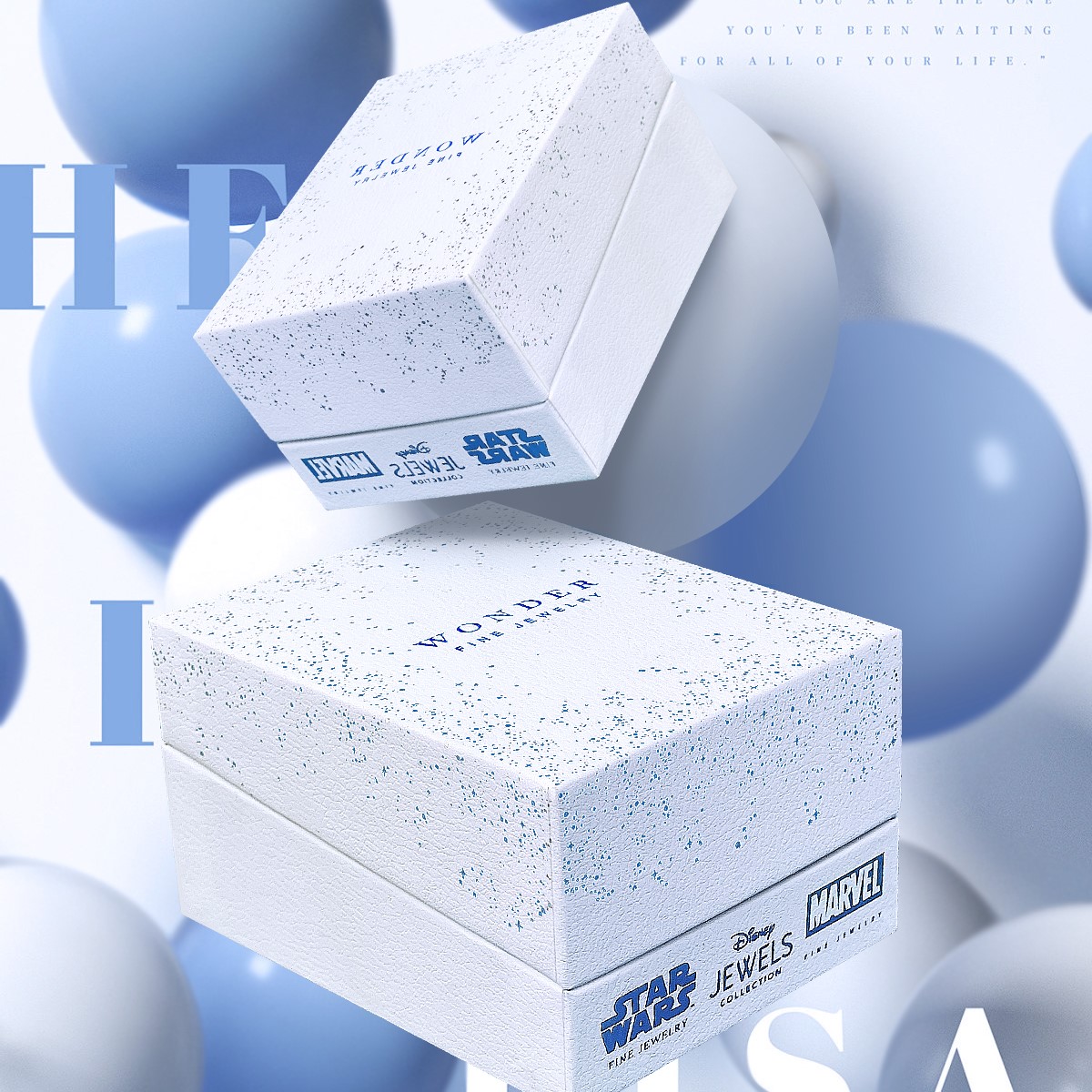
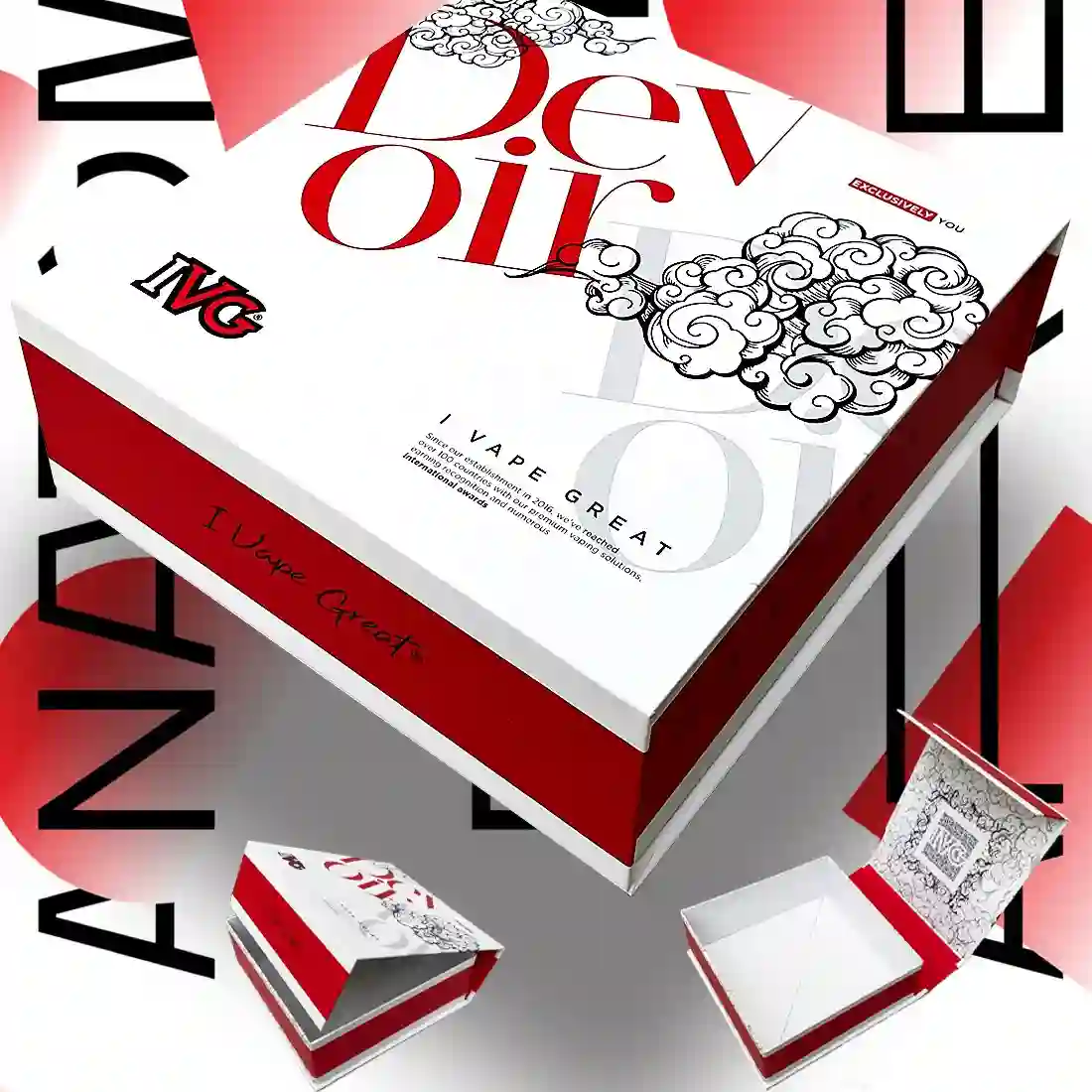
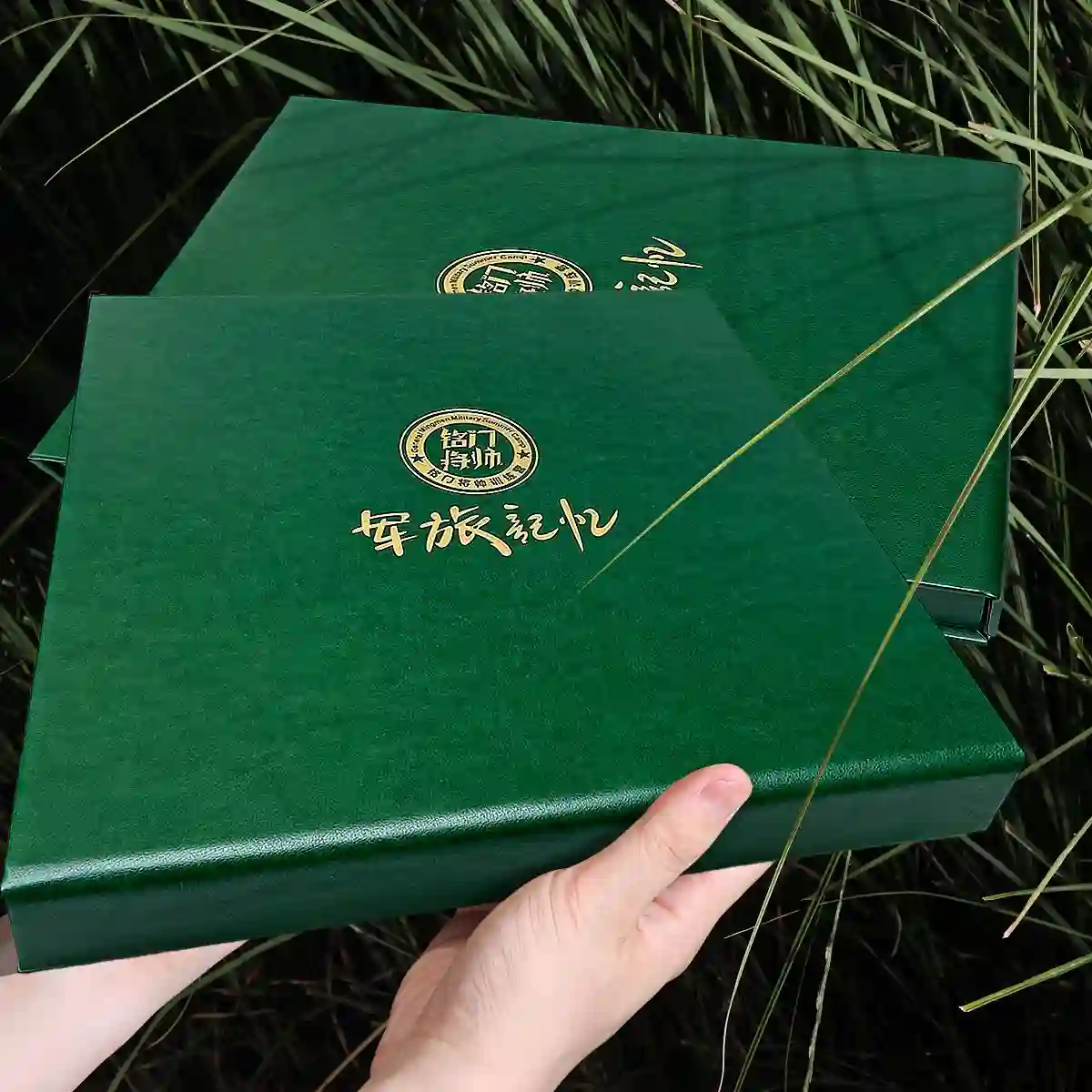
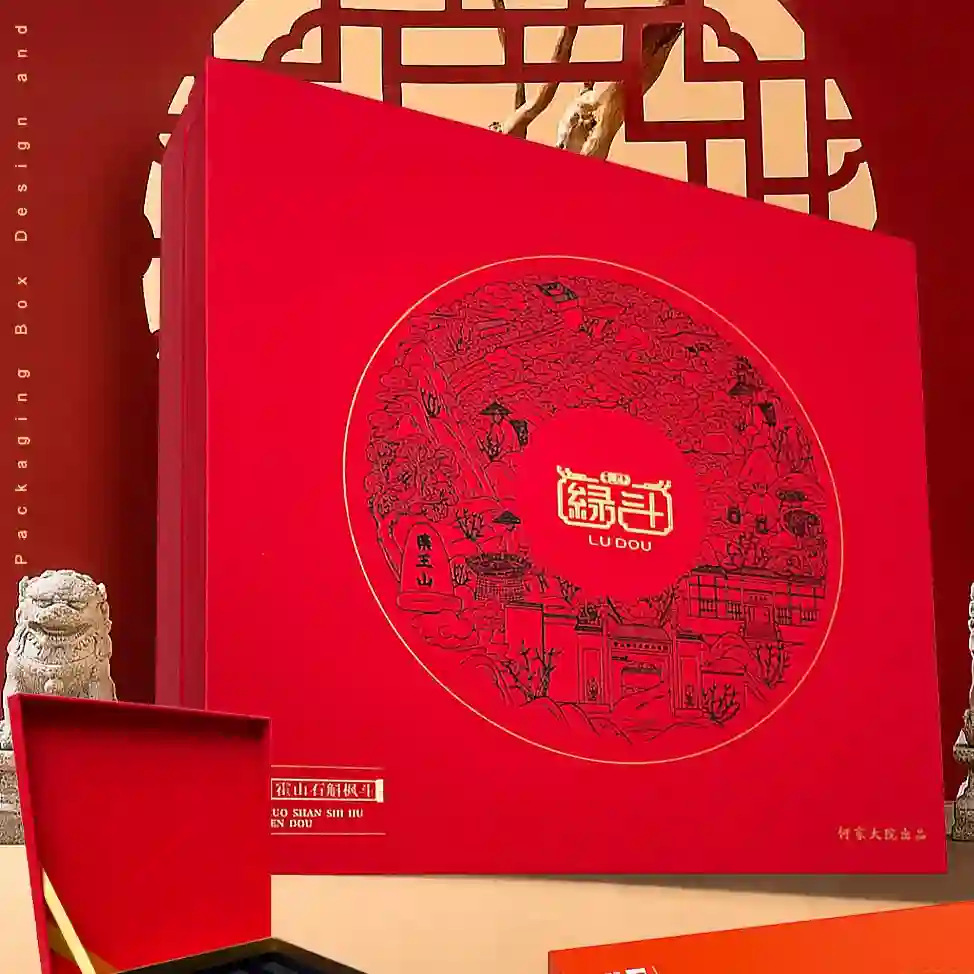
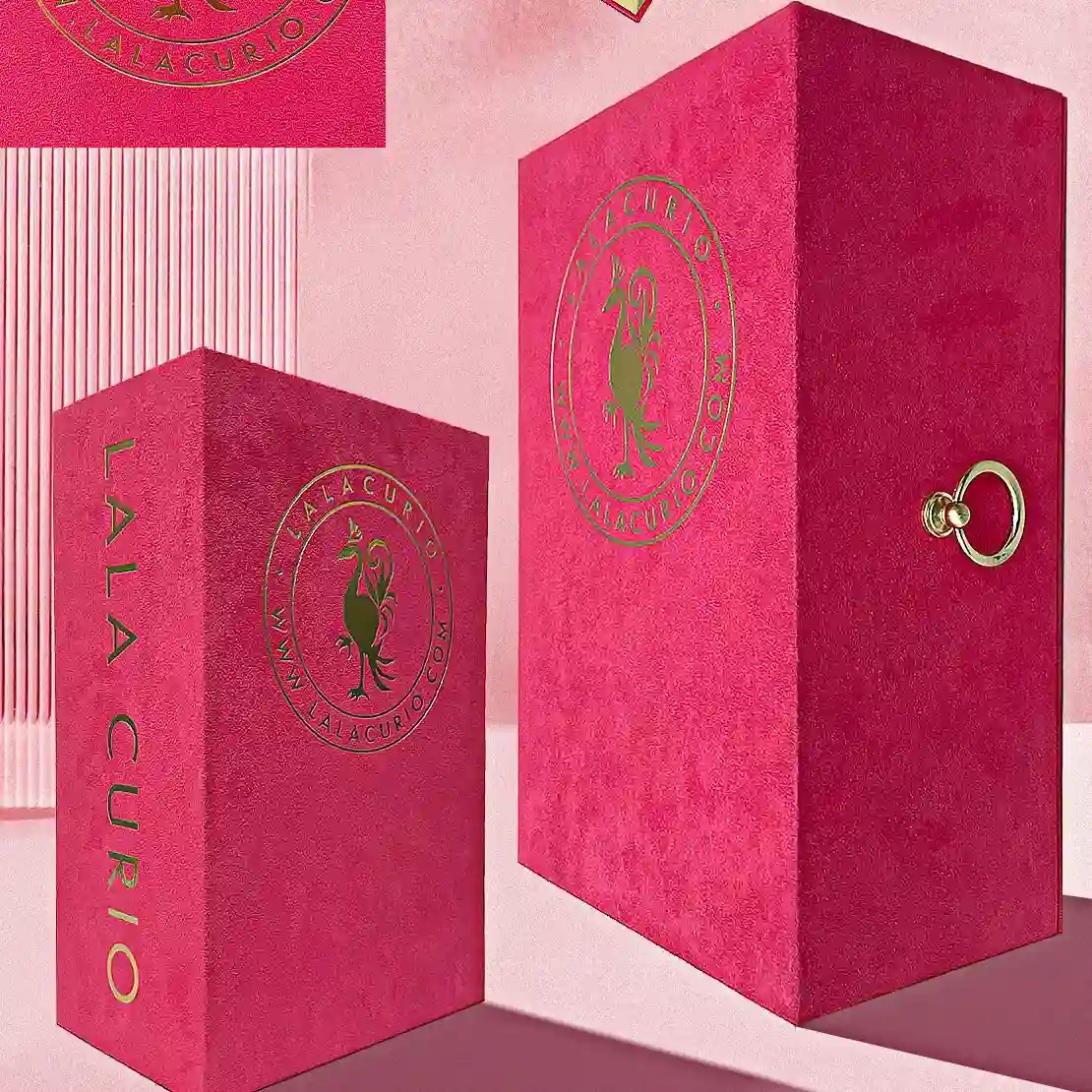
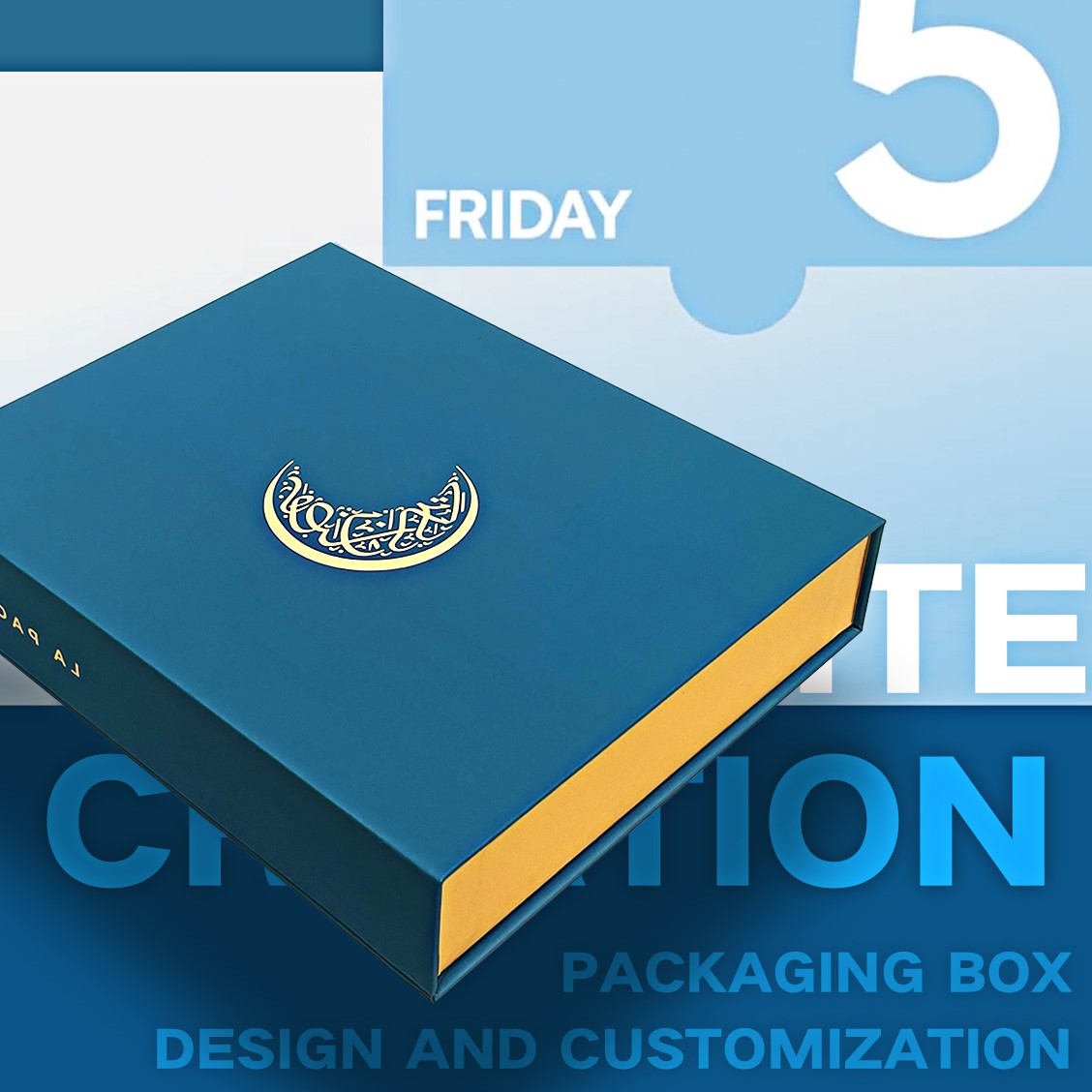
- Packaging field: Widely used in packaging products for multiple industries such as food, daily chemical, beauty, 3C electronic products, medicine, gifts, etc., covering various forms such as product sales packaging boxes, paper tags, holiday greeting cards, product anti-counterfeiting labels, express buffer paper, transportation packaging liners, etc. The market application proportion has exceeded 35% of the total amount of recycled packaging paper. . Specifically, in the fast-moving consumer goods industry, several leading skincare brands such as Est é e Lauder, L'Oreal, and Shiseido use PCW 40% recycled double adhesive paper to make high-end gift boxes. Through a combination of processes such as hot stamping, laminating, embossing, and UV partial polishing, the product texture is upgraded. The surface of the gift box is also labeled with the "40% post consumer recycled fiber" environmental protection label, using environmentally friendly packaging to convey the brand's sustainable development concept. According to brand public data, the use of environmentally friendly packaging has increased consumer favorability of related products by more than 20%; In the food industry, low sugar snacks and organic food packaging labels from brands such as Yuanqi Forest, Three Squirrels, and Liangpinpuzi often use PCW 40% single-sided copperplate paper, which has excellent glossiness and stiffness, and has passed food contact material safety certification (such as the Chinese GB 4806.8-2016 standard). It can directly and indirectly contact with food, ensuring food safety while conveying the concept of green consumption; In the pharmaceutical industry, some pharmaceutical companies such as Yunnan Baiyao and Tongrentang have also started using PCW 40% paper for drug instructions and packaging boxes, which meets the strict safety and environmental protection standards and drug packaging traceability requirements of the pharmaceutical industry; In addition, PCW 40% recycled kraft paper, due to its excellent durability and compression resistance, is often used to make environmentally friendly tote bags and express box liners, becoming the mainstream green packaging choice for offline retail stores, Tmall, JD.com and other e-commerce platforms, effectively reducing the generation of express packaging waste. In the field of commercial office, as the core consumable of green office system, it can fully replace traditional native office paper and is widely used in various office scenarios such as internal document printing, external report material production, meeting material binding, financial voucher printing, contract agreement signing, administrative notice release, etc. It is one of the important tools for enterprises to achieve carbon reduction goals. This type of paper not only meets the stable operation needs of various office equipment such as printers, copiers, and fax machines, but also is less prone to problems such as paper jams and ink smudging during the printing process. Its environmental properties can also help companies fulfill their commitment to sustainable development. According to industry research data released by international office solution provider Staples, over 30% of Fortune 500 companies worldwide, such as Microsoft, Google, Unilever, Procter&Gamble, etc., have explicitly listed PCW 40% paper as their preferred or recommended category for office paper. Among them, Microsoft's global office space PCW 40% paper usage rate reached 75% in 2024, an increase of 12 percentage points from the previous year. These companies have effectively reduced their environmental footprint during their operations by purchasing environmentally friendly recycled paper in bulk and implementing a model that combines paperless office with recycled paper. Unilever alone can reduce carbon dioxide emissions by over 10000 tons per year. At the same time, the green office measures of enterprises can significantly enhance employees' environmental awareness and work enthusiasm. According to internal research, employees of enterprises that promote green office are 15% more satisfied than traditional enterprises. At the same time, they convey positive brand values to customers and all sectors of society, forming a virtuous cycle of corporate social responsibility.
III. Industry Value and Development Trends
The large-scale promotion and commercial application of PCW 40% paper is not only a landmark achievement in the transformation of the paper industry from a "resource consuming" to a "circular utilization" model, but also plays a key empowering role in promoting the green upgrading of the entire industry chain such as printing, packaging, and office. Its industry value has been widely recognized by upstream and downstream enterprises in the global industry chain.. From the perspective of market demand, with the continuous improvement of global consumers' environmental awareness, green consumption has become the mainstream consumption trend. According to data from consumer research firm Mintel, 72% of consumers worldwide are willing to pay a 5% -10% premium for products with stronger environmental attributes, with paper products showing a particularly clear preference for environmental protection. In this context, the "Global Recycled Paper Market Research Report" released by Grand View Research, an international authoritative market research institution, shows that the global recycled paper market size has reached 286 billion US dollars in 2024, a year-on-year increase of 6.8%, and is expected to exceed 400 billion US dollars by 2030. The compound growth rate from 2024 to 2030 will reach 5.2%. Among them, the PCW series recycled paper, due to its environmental and practical properties, has accounted for more than 60% of the overall recycled paper market and has become the core driving force for market growth. PCW 40% paper, as the main category in the PCW series, contributes 45% of the market share. From a policy perspective, governments around the world have introduced targeted policies to support the development of the recycled paper industry, forming a dual policy system of "incentives+constraints". For example, the EU's "Circular Economy Action Plan" clearly requires that the proportion of recycled fibers in paper and cardboard products should not be less than 50% by 2030, and strict environmental penalties will be imposed on enterprises that fail to meet the standards, with fines up to 4% of the annual turnover of the enterprise; The "14th Five Year Plan" for the development of circular economy in China has listed recycled paper as a key category of renewable resources for development, proposing a development goal of producing 40 million tons of recycled paper by 2025, and has also introduced a series of incentive policies such as tax reduction and exemption (recycled paper production enterprises enjoy a 50% refund of value-added tax upon collection), subsidy support (recycled raw material recycling enterprises can receive a subsidy of 200-500 yuan per ton), etc; Countries such as the United States and Japan have also introduced similar policies to promote the development of the recycled paper industry. Looking back at the development history of the industry, previously limited by core technologies such as de ink, bleaching, and fiber modification of recycled pulp, high proportion recycled paper generally had problems such as high production costs (15% -20% higher than virgin paper), insufficient performance stability, and large batch quality differences, which seriously restricted its market penetration; The PCW 40% ratio product precisely balances the core relationship between "environmental benefits, product performance, and production costs". The production cost is only 3% -5% higher than that of virgin paper, but it can achieve over 85% of virgin paper performance, effectively reducing the entry threshold for market promotion. It has become a key transitional category connecting low environmental attribute virgin paper and high environmental attribute 100% recycled paper, providing a low-risk and highly adaptable feasible path for the green transformation of the entire industry chain.
Looking ahead to the future, with the continuous iteration and upgrading of recycled pulp processing technology, especially the large-scale popularization and application of advanced technologies such as biological de ink technology, enzymatic fiber modification technology, and efficient screening and purification technology, PCW 40% paper is expected to further improve core performance indicators such as fiber purity, paper strength, and surface smoothness while maintaining its existing cost advantage. It is expected that its performance will approach the level of high-end native paper in the next 3-5 years, breaking through the current application limitations in high-end boutique printing (such as art albums and high-end journal covers), food contact packaging (such as paper tableware that directly contacts food), high-end business offices (such as high-end contracts and business letters), and expanding to more high value-added application scenarios.
The market size is expected to double in size. At the same time, under the continuous regulation and guidance of international authoritative certification systems such as FSC (Forest Stewardship Council) and PEFC (Forest Certification System Accreditation Program), the raw material traceability system of PCW 40% paper will be further improved. Through technologies such as blockchain, the full process traceability from recycled raw material recycling, processing to finished product sales will be achieved. Consumers can scan the product QR code to view the source of raw materials, environmental indicators and other information. Environmental standards will be further integrated with international standards, effectively solving the core pain points of opaque recycled fiber sources, uneven quality, and difficult quantification of environmental indicators in the current industry. In addition, with the continuous deepening of collaborative cooperation between upstream paper-making enterprises and downstream printing, packaging, publishing, office consumables and other enterprises, it is expected to form a green solution for the entire industry chain based on PCW 40% paper, covering multiple links such as the construction of raw material recycling system (such as co building community recycled paper recycling points), customized product research and development (developing specialized paper according to different industry needs), production process optimization (jointly optimizing printing and packaging processing technology to improve environmental benefits), and waste recycling and reuse (establishing a closed loop for printing and packaging waste recycling). This collaborative model can not only improve the overall efficiency of the industrial chain, but also reduce the costs of each link, promote the construction of a more efficient, low-carbon, and sustainable industrial development system for the papermaking and related supporting industries, and provide important support for the realization of the global "dual carbon" goal. At the same time, with the increasing environmental awareness and policy improvement in emerging markets such as Southeast Asia and Africa, PCW 40% paper will also usher in new market growth space and become an important growth point for the global recycled paper industry. In summary, PCW 40% paper is not simply a substitute for virgin paper, but a concrete practice carrier of the circular economy concept in the field of light industry. It is also an important supporting force for the paper industry to achieve the strategic goals of "carbon peak and carbon neutrality". Its development process witnesses the core trend of the paper industry's transformation from "scale expansion" to "quality and efficiency+green low-carbon". Its core competitive advantages of "moderate environmental protection, comprehensive adaptation, and controllable cost" not only accurately meet the current market's basic demand for green products, solve the core pain points of "high cost and difficult adaptation" in the environmental transformation of enterprises, but also provide a low threshold and high adaptation green transformation path for small and medium-sized enterprises in the upstream and downstream of the industry chain, effectively reducing the overall transformation cost and risk of the industry, and promoting the green development concept to take root in the entire industry chain. In the future, with the continuous progress of core technologies in the industry, the continuous optimization of policy support environment, and the further release of market environmental protection demand, PCW 40% paper will play a more important role in the global green development wave. It will not only become the core driving force for promoting the green transformation of the printing and packaging industry, but also lead the entire light industry field to form a circular industrial ecology of "resources products waste renewable resources", contributing important forces to global ecological environment protection and high-quality economic development. Its development experience will also provide practical examples for the green transformation of other traditional high energy consuming industries, promoting the upgrading of the global industrial structure towards a more sustainable direction.